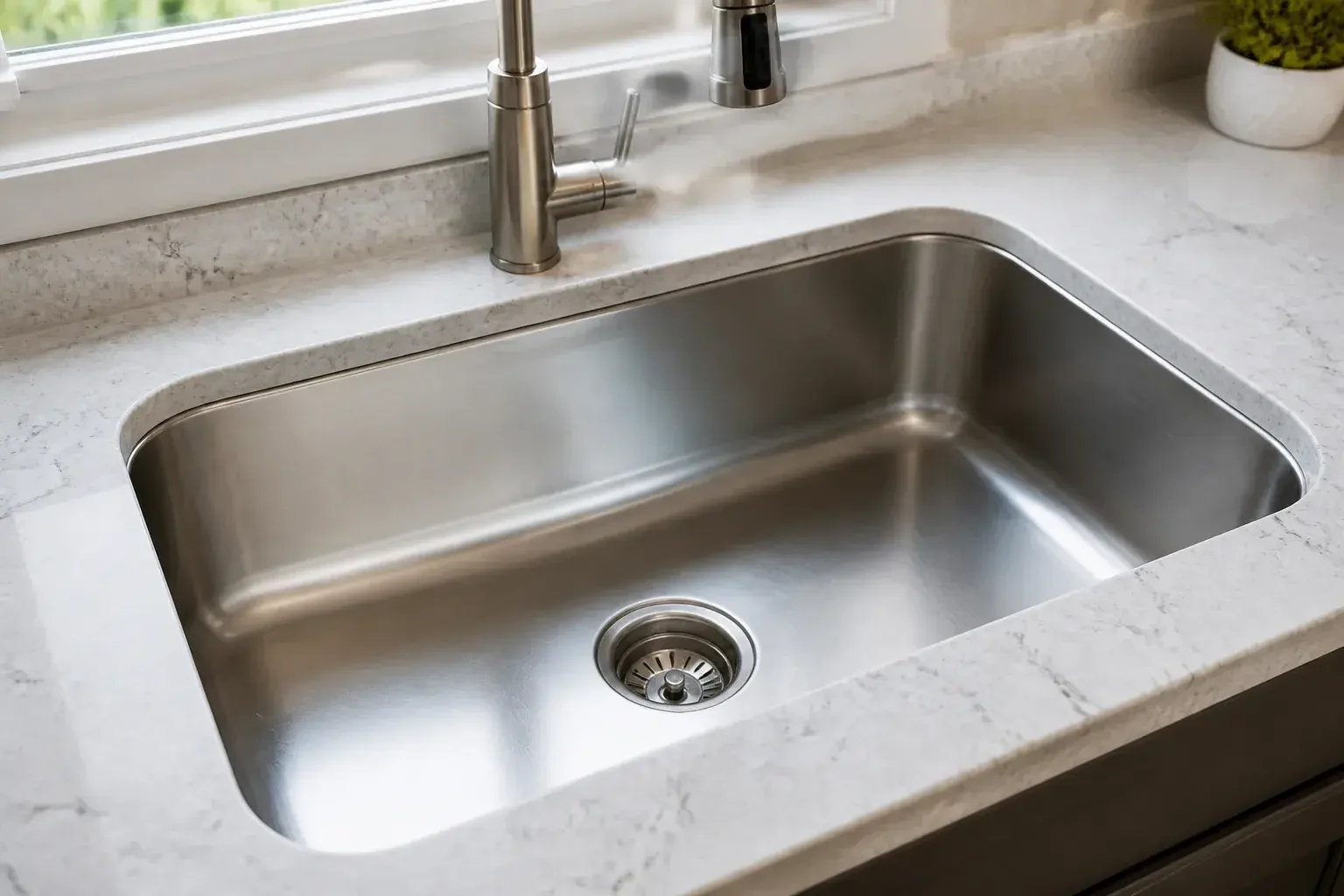
Drain Cleaning in Mountainside, NJ
Slow or clogged drains can back up your routine and create bigger plumbing issues.
When a sink starts gurgling, a shower holds water around your feet, or a tub drains so slowly that it turns into a waiting game, the problem is usually deeper than a little soap scum. A plunger might get things moving for a moment, but if the same clog keeps coming back, the line needs a more thorough cleaning.
Lantz's Mountainside Plumbing helps homeowners in Mountainside and nearby Union County communities clear stubborn drains without turning a simple clog into a bigger mess. We handle the buildup that collects in kitchen sinks, bathroom drains, showers, tubs, and main lines, then help you understand what likely caused the blockage so it is easier to avoid the same issue again.
Warning signs
Some drain problems build slowly, while others show up all at once. Knowing the early signs can help you act before one backed-up sink turns into several slow fixtures.
- Slow draining water: Water that lingers in a sink, shower, or tub usually means buildup is narrowing the pipe.
- Gurgling sounds: Air trapped in the line can make drains bubble or gurgle as water tries to pass through.
- Recurring clogs: If the same drain stops up again soon after clearing, there is likely more material deeper in the line.
- Bad odors: Lingering smells from a drain can point to trapped debris, grease, or waste sitting in the pipe.
- Water backing up: When water comes back up after you run a fixture, the clog may be farther down than a simple sink trap.
If more than one drain is acting up at the same time, the issue may be beyond a single fixture. That is when a more complete drain cleaning makes the most sense.
Common causes
Drain clogs do not happen for one reason only. Different parts of the home create different kinds of buildup, and the right cleaning method depends on what is stuck and where.
- Kitchen residue: Grease, food scraps, and sticky residue can cling to pipe walls and gradually narrow the opening.
- Bathroom buildup: Soap, toothpaste, hair, and shaving debris can collect in sink, tub, and shower drains.
- Foreign objects: Small items that wash into a drain can catch other debris and start a blockage.
- Toilet-related stoppages: Too much paper or non-flushable material can obstruct the line and cause repeated backups.
- Main line buildup: When multiple drains slow down together, the blockage may be farther out in the sewer line and need a different approach.
At Lantz's Mountainside Plumbing, we look at the symptoms first, then choose the cleaning approach that fits the problem instead of treating every clog the same way.
How we clear drains
Drain cleaning should do more than punch a temporary hole through the blockage. The goal is to restore better flow through the line so the drain works normally again.
Step 1: Check the symptom pattern
We start by asking which fixture is slow, how long it has been happening, and whether more than one drain is involved. Those details help narrow down whether the clog is local or farther down the line.
Step 2: Locate the obstruction
A clog in a sink trap calls for a different approach than buildup deeper in the pipe. We trace the problem to the affected section so the cleaning effort is focused where it matters.
Step 3: Clear the blockage
Once we know where the restriction is, we remove the buildup so water can move through the pipe more freely. The method depends on the type of clog and the drain involved.
Step 4: Test the flow
After the line is cleared, we run water to make sure it drains properly and does not back up right away. That final check helps confirm the blockage is truly gone.
This process matters because a drain that drains a little better is not the same as a drain that has been properly cleared.
What not to do
A clogged drain can be frustrating, and it is tempting to keep trying anything that promises quick relief. Some shortcuts, though, can make the problem harder to solve later.
- Do not force repeated plunging: Aggressive plunging can move water around without actually removing the clog.
- Do not ignore recurring backups: A clog that returns quickly usually means the real blockage was not fully cleared.
- Do not keep pouring random products down the drain: Mixing different cleaners or using too much chemical product can create new problems for the line.
- Do not push objects farther in: Hangers, sticks, and improvised tools can wedge debris tighter instead of freeing it.
If a drain keeps resisting basic fixes, the safest next step is to have it cleaned properly rather than pushing the issue deeper.
Kitchen and bath drains
Different drains clog in different ways, which is why the symptoms matter. A kitchen sink, shower drain, and tub line do not usually fail for the same reason.
- Kitchen sinks: These often slow down from grease, food residue, and soap buildup that coats the inside of the pipe.
- Bathroom sinks: Toothpaste, shaving debris, and hair can collect near the drain opening and in the trap.
- Showers and tubs: Hair and soap scum are common in these drains, especially when water starts pooling during a shower.
- Laundry drains: Soap residue and lint can contribute to a slow drain where washing machine discharge goes.
If one fixture has a clog while the rest of the home drains normally, the blockage is likely close to that fixture. If several drains slow together, the problem may be farther down the line and need broader attention.
When to call us
Some clogs are one-off annoyances. Others are a sign that the line needs more than household tools can handle. Calling for drain cleaning makes sense when:
- The same clog keeps returning: Repeated blockages usually mean buildup is still sitting in the line.
- Multiple fixtures are slow: Shared drainage problems often point to a deeper restriction.
- Water backs up into another drain: That can indicate the clog is affecting more than one branch of the plumbing.
- The drain makes new noises: Gurgling, bubbling, or hissing can mean the line is struggling to move air and water properly.
- You can smell it from the drain: Odors can come from trapped waste or stagnant buildup in the pipe.
Lantz's Mountainside Plumbing serves homeowners in Mountainside, Westfield, Springfield, Summit, and Scotch Plains with straightforward plumbing repairs and installs, including drain cleaning when clogs stop being simple.
What helps prevent clogs
A clean drain still needs sensible habits to stay that way. You do not have to change everything in the house, but a few small adjustments can reduce future blockages.
- Keep grease out of sinks: Let grease cool and dispose of it another way instead of washing it down the drain.
- Use strainers where helpful: Simple sink or tub strainers can catch hair and debris before they enter the pipe.
- Run water after use: A good rinse can help move residue through the drain instead of letting it settle.
- Watch what gets flushed: Only flush what belongs in the toilet, since unsuitable items often cause repeat clogs.
- Pay attention to small changes: Slow draining is easier to address early than after the line stops moving water at all.
A drain that starts acting differently is already giving you useful information. The sooner you respond, the less buildup has time to settle in.
Common questions
Why does my drain clog again after I clear it?
If the clog comes back quickly, the blockage was probably only opened up, not fully removed. Buildup left on the pipe walls can catch more debris and recreate the same problem.
Why does one slow drain matter if the others seem fine?
A single slow drain can be a localized issue, but it can also be the first sign of a deeper line problem. Watching how the rest of the fixtures behave helps show whether the issue is spreading.
What does a gurgling drain mean?
Gurgling usually means air is struggling to move through the line while water passes through. That sound often appears when buildup is starting to restrict the pipe.
Can a kitchen clog affect the rest of the house?
Yes, if the blockage is farther down the drain path. When a shared line is restricted, more than one fixture can start to back up or drain slowly.
Is it normal for a shower to drain slowly after a few minutes?
Not really. A shower should keep moving water away as you use it, so standing water or pooling usually points to a clog developing in the line.
What should I notice before a drain stops completely?
Slow draining, air bubbles, recurring odors, and odd noises often show up before a full blockage. Those warning signs are worth paying attention to because they can help you act sooner.
Ready for clearer drains
If your sink, tub, shower, or other fixture is draining slowly, Lantz's Mountainside Plumbing can clear the blockage and get the line moving again. We handle drain cleaning for homes in Mountainside and the surrounding area with a straightforward approach focused on solving the clog that is actually causing trouble.
When you are tired of plunging the same drain over and over, it may be time to have the line properly cleaned and checked.
How We Work
A Simple Plumbing Process
Every job starts with a close look at the issue and a clear explanation of what should happen next.
Check the Problem
We look at the affected fixture, drain, heater, or line to understand what is going on.
Explain the Options
You get a straightforward explanation of the repair or installation that makes sense.
Complete the Work
We finish the job carefully and leave your space clean.
FAQ
Common Plumbing Questions
If you have a plumbing question of your own, send it over and we will help you think through the next step.
How do I know if I need leak repair or a bigger plumbing fix?
It depends on where the leak is coming from and what caused it. An inspection helps determine the right repair.
Why is my drain slow even after I clear it myself?
Build-up can remain deeper in the line and keep causing backups. Professional drain cleaning can address the blockage more fully.
How do I know if my water heater needs replacement?
Frequent temperature issues, unusual noises, or poor hot water supply can point to a bigger problem. We can help evaluate what makes sense.
Can you replace old bathroom and kitchen fixtures?
Yes, fixture installation is a common part of what we do. It is a practical way to update worn or leaking plumbing parts.
What are signs of sewer line trouble?
Repeated backups, slow drains, and unpleasant odors can all be warning signs. Those issues are worth checking sooner rather than later.

Get started
Ready for Better Plumbing Help
Tell us what is happening at your home, and we will help you choose the right next step for repair or installation.