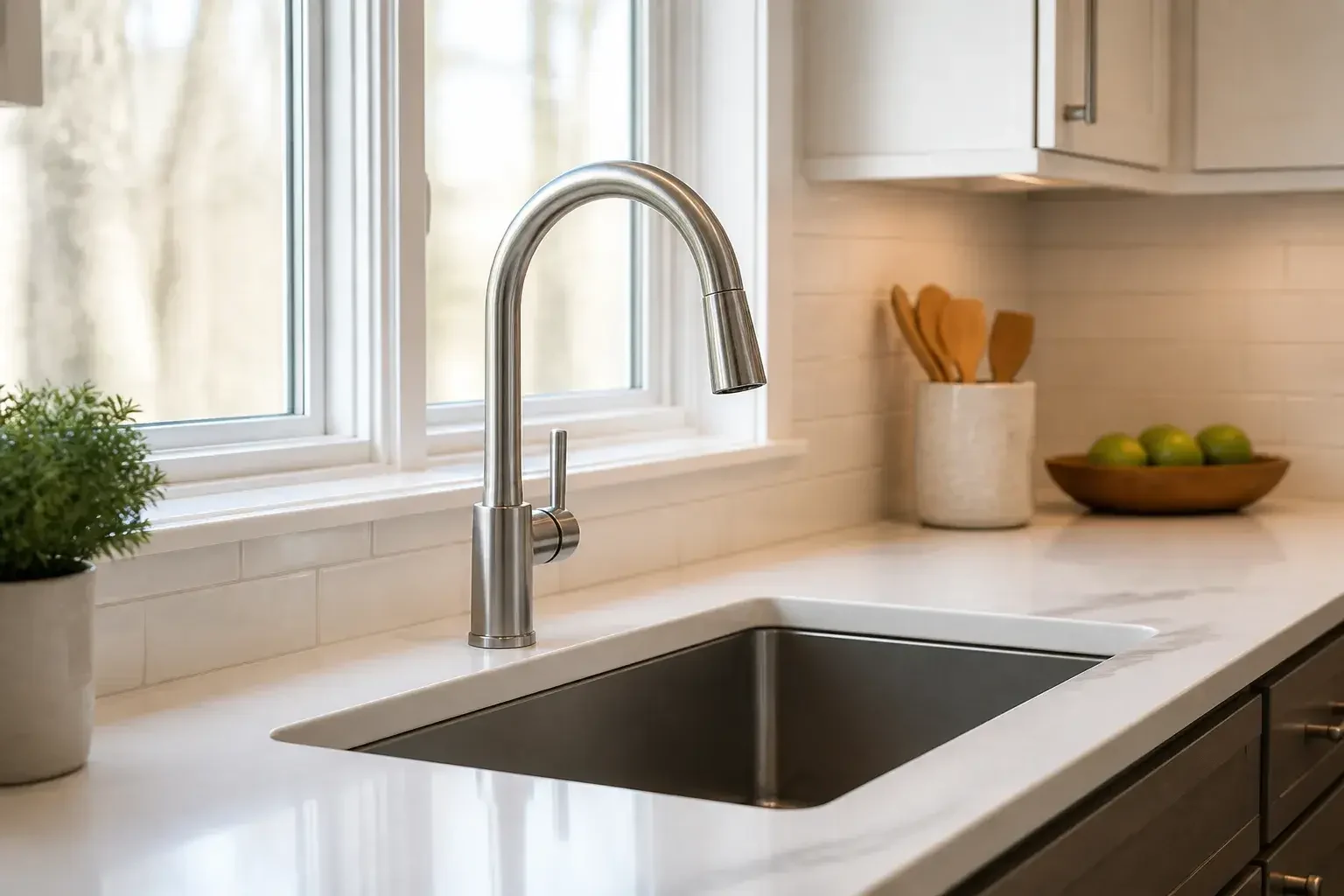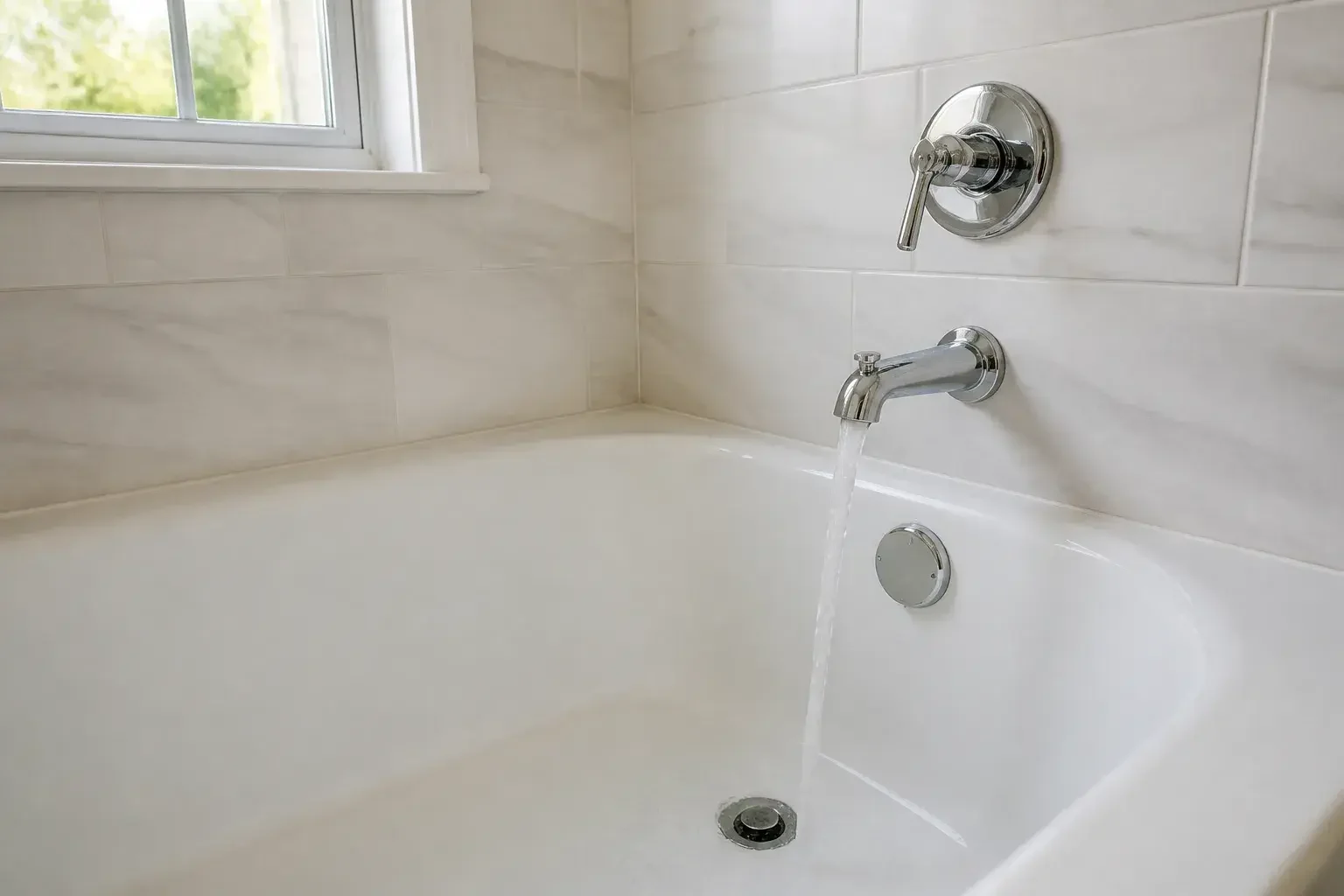
Your sink drains slowly, you clear it, and then it clogs again a few days later. That pattern is frustrating because it usually means the blockage is deeper in the line or caused by buildup that keeps catching debris. In a kitchen or bathroom, slow drainage is often the first sign that the pipe needs more than a plunger.
Notice The Pattern
Start by paying attention to what is clogging and where. A single sink that drains slowly may point to hair, soap, grease, or food waste right near the fixture. If multiple drains are slow, the problem may be farther down the line. Gurgling sounds, water backing up in another drain, or repeated overflow after normal use are clues that the blockage is more than surface-level.
Try Safer Fixes
Use a plunger if the clog is near the fixture. A simple drain snake can also help with hair or debris in a bathroom sink or tub. Avoid pouring harsh chemicals down the drain. They can damage pipes and often do not solve the buildup that caused the clog in the first place. If the drain clears briefly and then slows again, the line likely still has buildup sticking to the pipe walls.
Know When To Call
At that point, professional drain cleaning is the better next step. A plumber can clear the line more thoroughly and check for issues like grease accumulation, scale, or a partial blockage deeper in the system. Lantz's Mountainside Plumbing works with homeowners in Mountainside, Union County, and nearby communities when a drain keeps acting up and needs a more complete fix.
A stubborn clog is worth addressing early. The longer buildup stays in the pipe, the more likely it is to turn into a full backup at the worst possible time.